
Free vs paid HEP software remains one of the most searched decisions in physical therapy technology. Clinics want lower costs, patients wish to clarity, and therapists want compliance that actually sticks.
This guide breaks down what free vs paid HEP software really delivers in 2026, where each option falls short, and why this choice affects patient outcomes more than most clinics expect.
Free vs Paid HEP Software: Where the Decision Usually Starts
Free vs paid HEP software decisions usually begin with budget pressure. New clinics, solo practitioners, and cash-based practices often search for a free home exercise program solution first. On paper, free HEP software looks practical. It promises printable home exercise programs, basic physical therapy exercises, and quick access to a home exercise plan without cost.
But here’s the thing. The debate over free vs. paid HEP software is not just a pricing issue. It’s about whether your home exercise programs actually lead to patient follow-through, measurable progress, and retention.
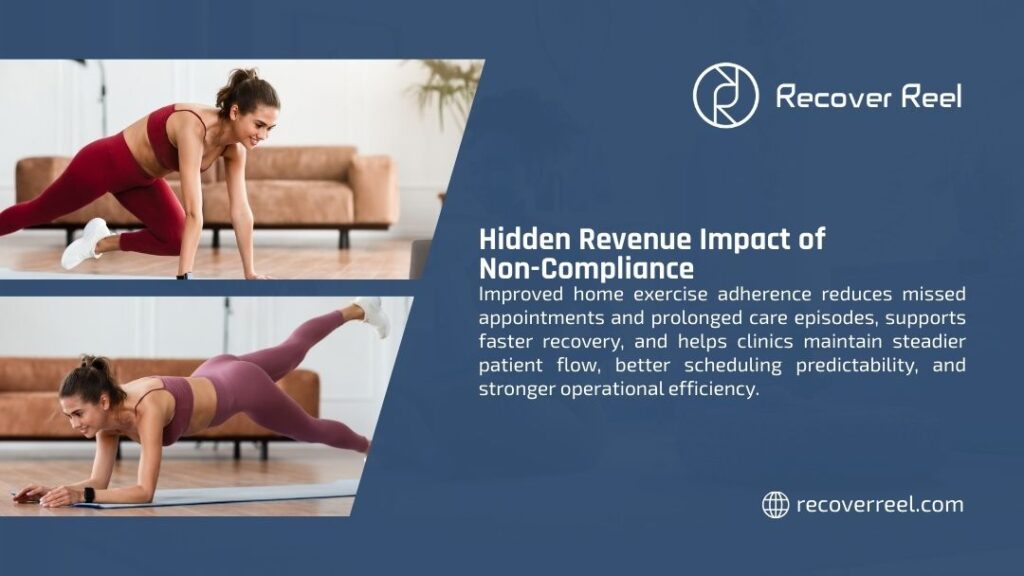
Research on home exercise adherence consistently shows that non-adherence rates can exceed 50-65% when programs lack personalization, feedback, and follow-up, reshaping how clinics should evaluate free vs. paid HEP software.
What Is HEP in Physical Therapy and Why Software Matters
A home exercise program refers to exercises prescribed by physical therapists for patients to complete outside clinical visits. Traditionally, these programs lived on printed sheets or photocopied diagrams. That model worked when care was episodic, and expectations were lower.
Today, physical therapy demands continuity, feedback, and accountability. Patients expect mobile access, clear instructions, and progress visibility. Therapists need documentation, updates in real time, and a way to adjust therapy exercises without reprinting paperwork.
That’s where home exercise program software enters the picture. It replaces static handouts with digital exercise libraries, video-based prescriptions, and tracking tools that support physical therapy exercises at home rather than guessing.
How Free HEP Software Works in Practice
Free HEP software usually means one of three things. A public exercise database. A downloadable PDF generator. Or a limited web tool that allows basic home exercise plan creation.
These tools often include physical therapy exercise illustrations, basic rehab exercises, and printable handouts. For new clinics or students, this might work for short-term needs. Free home exercise program builders also attract clinics under cost pressure or those testing digital workflows.
But here’s what happened when researchers examined adherence. Research has shown that patients are generally more likely to adhere to exercise programs when instructions are delivered through video-based or digital formats rather than static paper handouts.
Studies also suggest that tools incorporating guidance, reminders, and progress tracking can improve engagement, while many free solutions lack these supportive features. Free tools rarely support reminders, feedback, or progress tracking.
The Real Cost of Free Home Exercise Programs
Free physical therapy tools don’t show up on a credit card statement, but they incur costs elsewhere. Time spent customizing PDFs. Staff hours spent explaining exercises repeatedly. Lost revenue from drop-offs and noncompliance.
Below is a practical comparison based on observed clinic workflows.
| Factor | Free HEP Tools | Paid HEP Software |
| Exercise delivery | Static images or PDFs | Personalized video |
| Patient engagement | Passive | Interactive |
| Compliance tracking | None | Real time |
| Branding | Generic | Logo and color |
| HIPAA safeguards | Limited or unclear | HIPAA compliant |
| Program updates | Manual | Instant |
Free tools treat HEPs as paperwork. Paid platforms treat them as part of care delivery.

What Paid HEP Software Actually Adds
Paid HEP software exists because outpatient therapy changed. Clinics manage more patients, have tighter documentation rules, and have higher expectations around outcomes.
A modern paid platform supports personalized video, mobile app access, progress tracking, and print home exercise programs when needed. It allows therapists to save unlimited routines, update prescriptions mid-plan, and reinforce therapy exercises without repeating themselves.
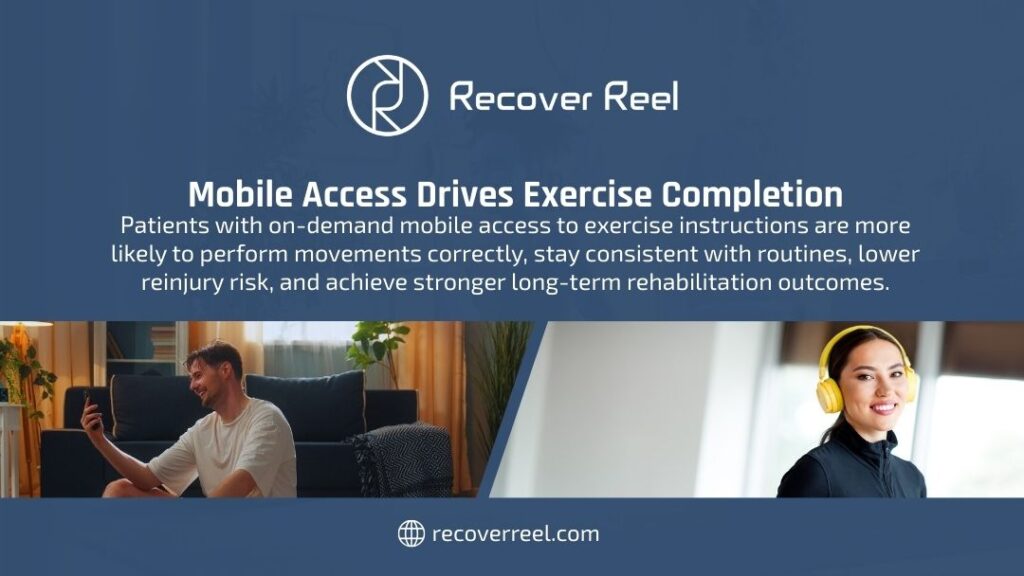
Patient engagement increases when instructions feel personal. Patient engagement increases when instructions feel personal. Multiple behavioral and rehabilitation studies show that video-based exercise programs significantly improve adherence and completion compared to text-only instructions, directly impacting discharge timelines and long-term retention.
Patient Compliance, Retention, and Why Software Choice Matters
Non-adherence isn’t a motivation issue. It’s a clarity issue. Patients forget exercises. They perform them incorrectly. Or they stop when pain fades.
Platforms built for home exercise programs HEPS that include reminders, feedback loops, and visual instruction consistently outperform static approaches. This directly ties into patient retention, something most free tools never address.
According to industry benchmarks, clinics using structured digital HEP platforms report fewer cancellations and higher follow-up rates.
Security, Privacy, and Regulatory Reality
Here’s the problem. Many free HEP platforms were never designed for clinical use. Data storage policies remain vague. HIPAA safeguards remain unclear.
Paid HEP software typically includes role-based access, encrypted storage, and audit controls aligned with healthcare compliance. For clinics managing protected health information, that distinction matters more every year.
The Office for Civil Rights has increased enforcement actions tied to digital health platforms since 2023. Clinics that rely on unsecured tools assume a risk that far outweighs subscription costs.
When Free HEP Software Might Work
Free tools can work in limited scenarios. Educational settings. Short-term care. Clinics with extremely low patient volume. Situations where home exercise programs serve as supplementary guidance rather than core treatment.
But once a clinic manages multiple therapists, long-term rehab plans, or outcome tracking, free platforms reveal structural limits quickly.
How Clinics Decide Between Free and Paid Options
Decision-making should start with patient behavior, not pricing. Clinics that value consistency, documentation, and engagement usually outgrow free systems within months.
The table below summarizes decision triggers.
| Clinic Need | Free Software | Paid Software |
| Simple exercise handouts | Yes | Yes |
| Patient progress tracking | No | Yes |
| Branded patient experience | No | Yes |
| Multi-provider workflows | Limited | Designed for it |
| Long-term retention focus | Weak | Strong |
Why Recover Reel Fits the Modern HEP Reality
We build software for physical therapists to manage home exercise programs as part of real care, not paperwork. Therapists prescribe exercises. Patients follow them through video, reminders, and progress tracking. Everyone sees the same plan.
Recover Reel focuses on patient clarity, clinic branding, and compliance without bloated features or locked workflows. Clinics use it to reduce drop-off, reinforce care between visits, and maintain continuity beyond discharge.You can explore how clinics describe their experience through real testimonials, review how pricing scales with active patients rather than licenses, or learn about the clinical background behind the platform’s design.
Where This Leaves Physical Therapists in 2026
The free vs paid HEP software debate misses the point when it stays stuck on cost. The real divide sits between static instruction and interactive care.
Home exercise programs remain one of the strongest predictors of rehab success. Software either supports that or undermines it quietly.
Clinics that treat HEPs as an extension of therapy see stronger outcomes, higher engagement, and better retention. Tools that support that reality tend not to be free.
If you want to see how a purpose-built platform supports modern physical therapy workflows, explore Recover Reel’s approach, review how it improves compliance, or reach out directly to discuss whether it fits your clinic’s needs.