
Cash based physical therapy practices rely on trust, results, and a strong patient experience. That makes the technology behind home exercise programs more important than many clinic owners realize. The right HEP software for cash-based physical therapists can simplify exercise prescriptions, improve adherence, and strengthen relationships between visits.
This guide examines the most relevant platforms in 2026, compares their strengths and trade-offs, and explains how PT practices can select software that aligns with the workflow of a modern cash-pay clinic.
HEP software for Cash Based Physical Therapists
Cash-based physical therapy clinics operate differently from insurance-driven practices. Visits are usually longer, pricing is transparent, and patient outcomes directly influence retention and referrals. In that environment, choosing the right HEP software for Cash Based Physical therapists becomes part of the clinic’s overall patient experience.
The reason is simple. Patients who pay out-of-pocket expect clear guidance and progress. Home exercise program tools provide the structure that helps patients follow the treatment plan outside the clinic.
Research indicates that adherence to home exercise programs in rehabilitation can fall to around 50% or lower, highlighting the challenge of maintaining patient engagement without proper monitoring and guidance. That gap explains why physical therapy home exercise program software has become a standard part of modern PT practices.
What cash-based PT clinics need from HEP tools
Many software platforms were designed for insurance-based clinics. Cash-based practices have different priorities.
First, speed matters. Clinicians cannot spend ten minutes searching large libraries of generic hep programs during an appointment. The workflow must be simple enough to assign exercises within seconds.
Second, personalization matters. Cash-based clinics often emphasize tailored treatment plans. Generic exercises from platforms or similar libraries sometimes feel impersonal.
Third, patient experience drives retention. The software should include a patient portal, reminders, and clear progress tracking so patients understand their recovery.
Many cash-based physical therapists are moving away from generic exercise libraries. Personalized exercise programs allow clinicians to demonstrate movements in their own voice and style, which improves patient trust and exercise adherence between visits.
In other words, the best HEP software for Cash Based Physical therapists should feel like an extension of the therapist rather than a generic library.
What is HEP software, and why do clinics use it
A home exercise program (HEP) platform allows therapists to create exercise plans for patients to perform outside the clinic. These plans typically include video instructions, written cues, and repetition schedules.
Clinics historically relied on printed sheets or static PDFs. Today, most PT practices use home exercise program software instead. Digital HEP tools offer several advantages:
| Traditional Method | Modern HEP Software |
| Paper instructions | Video exercise guidance |
| No adherence tracking | Patient progress monitoring |
| Hard to update programs | Instant program adjustments |
| No reminders | Automated notifications |
These improvements help therapists keep patients engaged between visits.
The features that actually improve patient adherence
The most effective physical therapy hep software shares several core capabilities. First is clear video instruction. Studies in rehabilitation medicine suggest that visual demonstrations improve exercise accuracy and adherence.
Second is reminder systems. Push notifications through a mobile app encourage patients to complete daily exercises. Third is communication. A built-in messaging system allows therapists to answer quick questions without scheduling another visit.
Many modern platforms also include compliance dashboards that show how frequently patients complete assigned exercises. These tools are not simply convenient. They address the biggest barrier in rehabilitation: consistency.
Understanding the hep software costs for PT clinics
Pricing structures vary widely across the market. Some platforms charge per provider while others charge based on the number of active patients. Cash-based practices often prefer flexible pricing because their patient volume fluctuates throughout the year.
Typical pricing models include:
| Pricing Model | Description |
| Per clinician | Monthly fee for each therapist |
| Per active patient | Cost based on current caseload |
| Tiered subscription | Packages based on features |
Clinics evaluating software should also consider hidden costs such as integrations, physical therapy scheduling software, or bundled EMR systems.
Free vs paid HEP platforms
Free tools can be helpful when clinics are just starting to experiment with digital exercise programs. However, as practices grow, most therapists move toward paid platforms that include advanced features for patient engagement, compliance tracking, and workflow automation.
The table below highlights the practical differences between free and paid HEP software for Cash Based Physical therapists.
| Feature | Free HEP Platforms | Paid HEP Software |
| Cost | No monthly fee | Monthly subscription or tiered pricing |
| Exercise library | Basic library with limited customization | Large video libraries with thousands of exercises |
| Custom exercise creation | Limited or unavailable | Often allows therapists to record or upload their own exercises |
| Patient progress tracking | Minimal or not included | Detailed adherence tracking and activity monitoring |
| Patient portal access | Usually not available | Secure patient portal with exercise history and progress data |
| Mobile app access | Rare or limited | Dedicated mobile apps for patients and clinicians |
| Messaging and communication | Usually unavailable | Secure messaging between therapist and patient |
| Branding options | No clinic branding | Custom branding and white-label apps available |
| Integrations | Limited integrations | Integrates with EMR systems and practice management software |
| Best use case | Solo therapists testing digital HEPs | Clinics want full patient engagement and compliance tracking |
Free tools are useful for generating quick exercise handouts, but paid physical therapy home exercise program software provides stronger engagement tools, automated reminders, and patient tracking that help therapists monitor recovery and improve adherence.
Best HEP software for Cash Based Physical Therapists (2026)
Below is a comparison of leading platforms used by PT practices today.
| Platform | Best For | Key Advantage |
| Recover Reel | PTs who want more control of outcomes in and out of the clinic | Mobile-first custom exercise recording |
| Medbridge | Large clinical education library | Evidence-based exercise database |
| Physitrack | Clinics needing structured programs | Extensive exercise catalog |
| HEP2Go | Budget-friendly basics | Free exercise sheets |
| Exercise Pro Live | Established database | Large multilingual exercise library |
| PtEverywhere | All-in-one clinic platform | Integrated EMR and scheduling |
| Limber Health | Digital therapy programs | Structured rehabilitation workflows |
1. Recover Reel
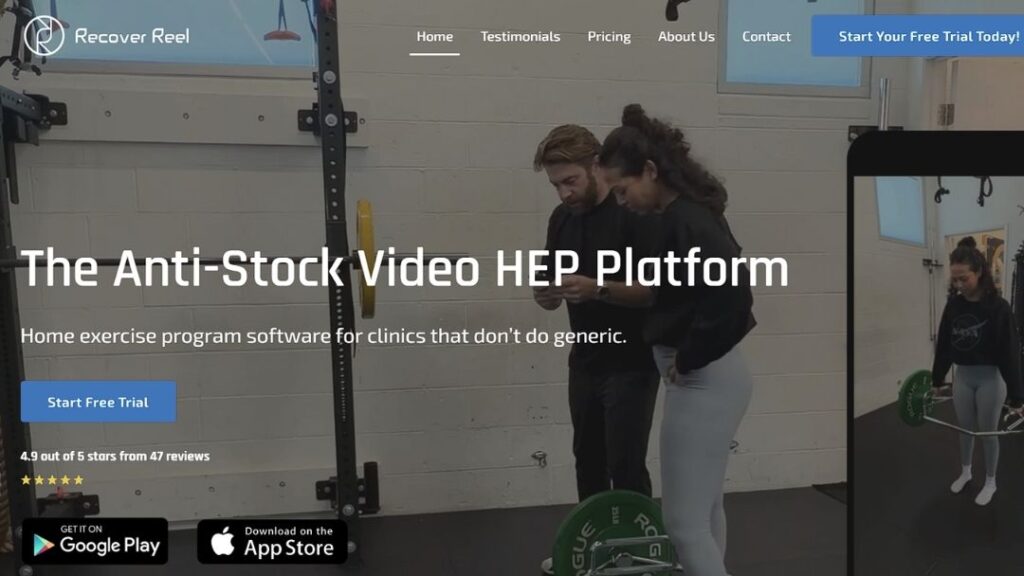
Recover Reel is a mobile-first home exercise program platform designed specifically for therapists who prefer creating custom exercise videos rather than relying on stock libraries. The Recover Reel software allows clinicians to record exercises on their phone and immediately assign them to patients.
The platform focuses on simplicity and personalization, which makes it particularly appealing to sports therapists and cash-based clinics. Instead of scrolling through thousands of exercises, therapists can create and share their own movements tailored to each patient.
Best for: PTs who want to record personalized exercise videos quickly.
| Pros | Cons |
| Very fast mobile workflow for recording custom exercises | No built-in exercise library |
| Encourages personalized care and therapist-created programs | Newer platform compared with some legacy competitors |
| Clean interface that is easy for patients to follow | Requires therapists to create their own exercise videos or find videos on YouTube |
| Designed for small to medium-sized PT practices and mobile use | Fewer enterprise integrations than some EMR-focused systems |
2. Medbridge

Medbridge is widely known in the physical therapy industry for combining continuing education with rehabilitation tools. The platform provides a large library of exercises along with patient education resources.
Many clinics use Medbridge because it connects clinical learning with patient programming. Therapists can create home exercise programs using the platform’s extensive video database.
Best for: Clinics that want a large evidence-based exercise library and education resources.
| Pros | Cons |
| Large library of clinically reviewed exercises | Creating programs can take longer due to the large library navigation |
| Strong reputation in the PT industry | Higher cost than many smaller HEP platforms |
| Continuing education resources included | Not focused on custom video recording |
| Structured patient education materials | May be excessive for smaller clinics |
3. Physitrack
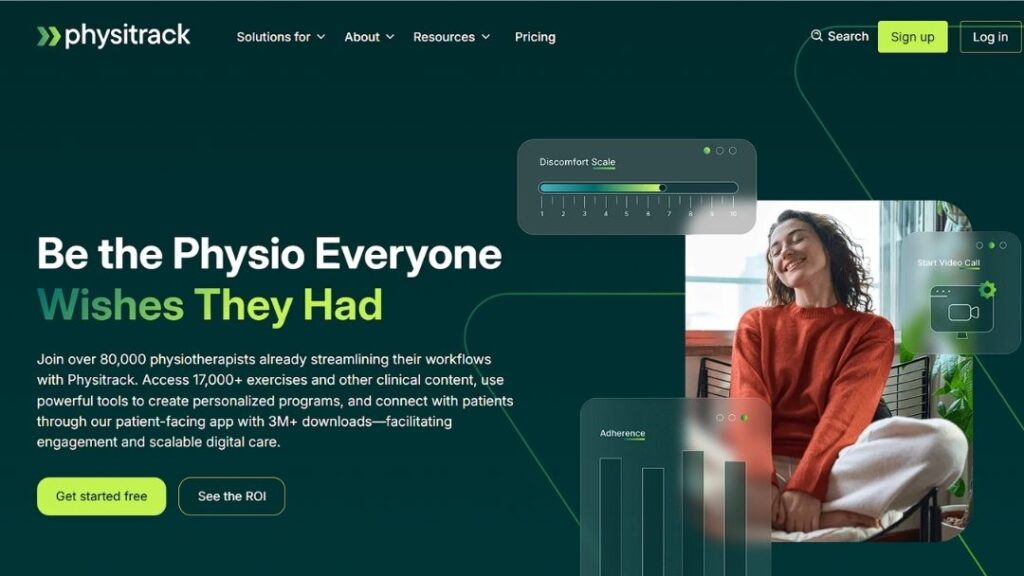
Physitrack is one of the most recognizable digital rehabilitation platforms. It offers thousands of exercises, patient tracking dashboards, and communication tools. The platform also integrates with several electronic health record systems used in rehabilitation clinics.
Best for: Clinics that want structured exercise programs and analytics.
| Pros | Cons |
| Large exercise database | Interface can feel complex for small practices |
| Strong adherence tracking tools | Custom exercise recording is less central |
| Integrates with multiple practice systems | Pricing will increase with scale |
| Widely recognized in rehabilitation technology | Requires time to learn the platform |
4. HEP2Go
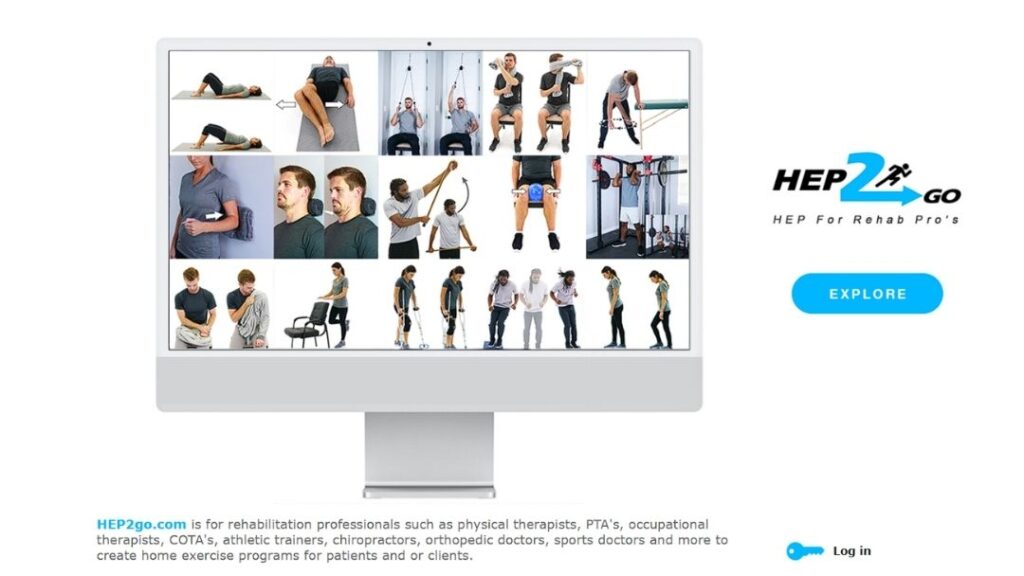
HEP2Go has existed for many years and is commonly used by therapists who want free, printable exercise sheets. The platform allows clinicians to create programs using a large set of pre-existing exercises. Many PTs become familiar with HEP2Go during training because of its accessibility.
Best for: Therapists who want a free or low-cost exercise handout generator.
| Pros | Cons |
| Free version available | Limited patient engagement tools |
| Easy to generate printable programs | Patients lose printed handouts |
| Simple interface | Limited mobile experience |
| Large existing exercise database | Less personalization compared with custom video tools |
HEP2Go is often used as a basic starting point, but it may feel limited for clinics seeking modern digital engagement.
5. Exercise Pro Live
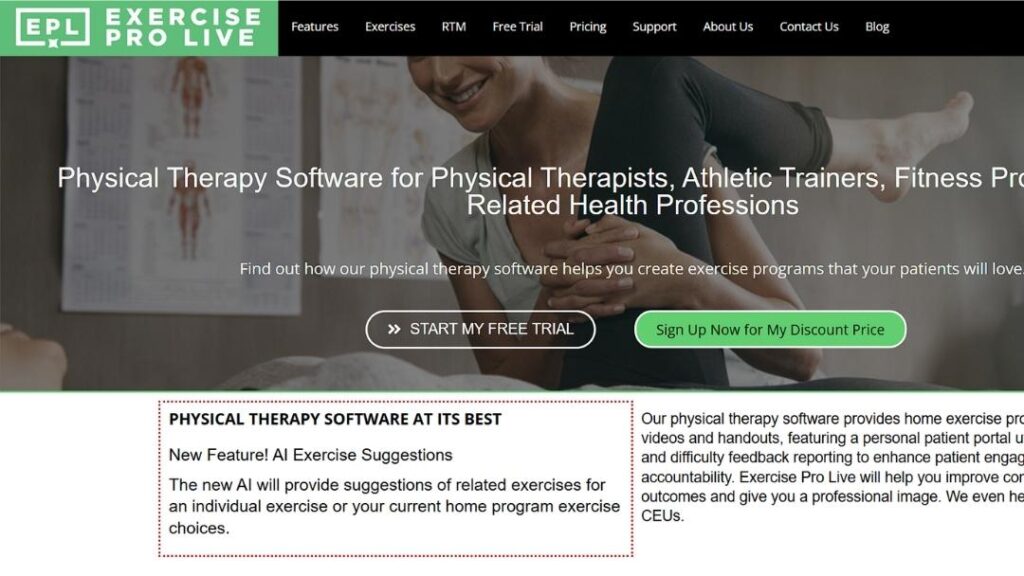
Exercise Pro Live provides a large database of rehabilitation exercises along with tools to build structured home exercise programs. The platform has been used by therapists for many years. It offers multiple language options and printable patient instructions.
Best for: Clinics that want a long-established exercise library with multilingual support.
| Pros | Cons |
| Large exercise library | Interface can feel outdated compared with newer tools |
| Multilingual support | Less focus on mobile-first workflows |
| Long track record in the industry | Limited customization features |
| Easy program generation | Some features require additional setup |
6. Limber Health
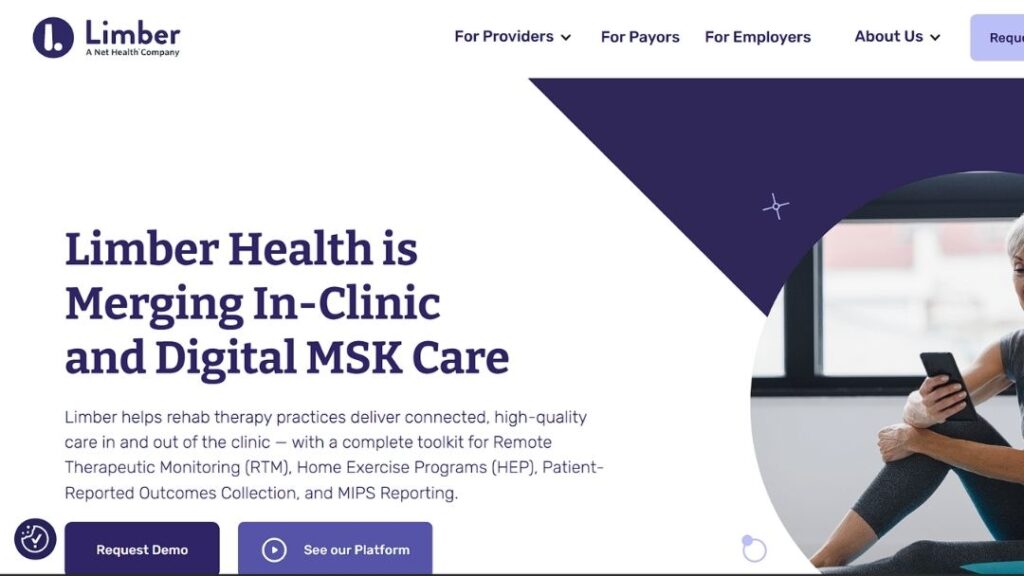
Limber Health focuses on digital therapy and remote rehabilitation programs. The platform integrates with electronic medical record systems and offers structured exercise programs. It is often used by organizations that want to scale remote rehabilitation services.
Best for: Clinics that want remote patient monitoring and structured therapy programs.
| Pros | Cons |
| Strong remote therapy features | The platform may feel complex for small clinics |
| Integrates with several healthcare systems | No emphasis on therapist-recorded exercises |
| Guided rehabilitation programs | May require onboarding time |
| Advanced tracking capabilities | Designed more for larger organizations |
Feature comparison across HEP platforms
The following table highlights key differences that clinics evaluate when choosing HEP software for Cash Based Physical therapists.
| Software | Custom video recording | Patient progress tracking | Exercise library size | Mobile app |
| Recover Reel | Yes | Yes | No preloaded library | Yes |
| Medbridge | Limited | Yes | Very large | Yes |
| Physitrack | Limited | Yes | Large | Yes |
| HEP2Go | No | Limited | Large | Limited |
| Exercise Pro Live | Limited | Moderate | Large | Limited |
| Limber Health | Moderate | Yes | Moderate | Yes |
Choosing the right platform for your clinic
Selecting the right HEP software for cash-based physical therapists depends on several practical factors. Clinics should consider workflow speed, patient engagement features, and integration with existing documentation for cash-based physical therapy.
Another important factor is branding. Custom patient apps can strengthen a clinic’s identity and improve patient adherence. Clinics should also evaluate whether their current system slows them down. Many therapists discover that outdated tools limit patient progress.
How HEP compliance affects patient retention
One of the biggest challenges in rehabilitation is exercise adherence. When patients skip their exercises, recovery slows. That often leads to frustration and early drop-off from therapy. Digital HEP platforms help address this issue by providing reminders, clear instructions, and progress tracking. Patients can see exactly what they need to do between visits.
Improved compliance leads to better outcomes, which increases trust in the therapist. In cash-based practices, that trust often leads to repeat visits and referrals. In other words, consistent exercise programs do more than improve rehabilitation outcomes. They strengthen the relationship between therapists and patients.
FAQs About HEP Software For Cash Based Physical Therapists
Do cash-based clinics need HEP software?
Yes. Most cash-based physical therapy clinics benefit from using HEP software for cash based physical therapists because it helps patients follow their treatment plans outside the clinic. Digital home exercise program platforms provide video instructions, reminders, and progress tracking. These tools help patients stay consistent with their exercises and allow therapists to monitor progress between visits. In a cash-based model, where patient outcomes and satisfaction directly influence retention and referrals, HEP software can strengthen the overall patient experience.
Is free HEP software enough?
Free HEP tools can work for clinics that only need simple exercise handouts. Free platforms allow therapists to generate printable programs quickly. However, free tools often lack features such as progress tracking, messaging, and a dedicated patient portal. As clinics grow, therapists usually prefer paid home exercise program software that offers better patient engagement, mobile access, and customization options.
Does HEP software replace EMR systems?
No. HEP software does not replace electronic medical record systems. Instead, it works alongside physical therapy practice management software or the best physical therapy EMR platforms. EMR systems handle clinical documentation, scheduling, and billing, while physical therapy home exercise program software focuses on exercise prescription, patient engagement, and adherence tracking.
Can patients access exercises on their phone?
Yes. Most modern HEP software for cash-based physical therapists includes a mobile app or patient portal where patients can view their assigned exercises. These apps typically include video demonstrations, written instructions, and reminders that help patients complete their exercises consistently between visits.
Are HEP platforms HIPAA compliant?
Many reputable HEP platforms are designed to be HIPAA compliant, meaning they follow healthcare privacy regulations when handling patient information. Clinics should always confirm that the software provider meets HIPAA security standards and protects patient data appropriately before implementing any system.
What is the biggest benefit of cash-based clinics?
The biggest advantage of cash-based physical therapy clinics is the ability to provide personalized care without insurance restrictions. Therapists can spend more time with patients, tailor treatment plans, and focus on long-term outcomes rather than billing requirements. When combined with effective HEP software for cash-based physical therapists, this approach can improve patient engagement, adherence, and overall treatment success.
Where physical therapists’ clinics should start
Choosing the right HEP platform depends on the workflow of the clinic. Some therapists prefer large exercise libraries, while others prioritize custom video instruction and simplicity. Cash-based physical therapy clinics often benefit from platforms that make personalization easy and keep patients engaged between visits.
If you want a solution built specifically for therapists who value personalized care and fast mobile workflows, Recover Reel is worth exploring.
For PT practices that want stronger patient relationships and better follow-through between visits, starting with the right HEP software can make a meaningful difference.